THE SHORT ANSWER
Choose a suitable application and drying window, not just a sunny afternoon. Good preparation belongs in the written scope.
Exterior paint planning often begins with color. The decisions that shape the work happen earlier: what condition the surface is in, what preparation it needs, and whether the weather suits the selected coating. For a Vancouver homeowner, allowing flexibility in the schedule is part of planning a thoughtful project.
A sunny afternoon is only part of the forecast
Sherwin-Williams explains that rain, moisture in the surface, overnight cold, and dew can interfere with exterior coating performance. A daytime temperature that seems comfortable does not mean a coating has the drying conditions it needs after sunset.
Check the instructions for the actual paint or stain, including application temperature and required dry weather. Different products have different limits, so a single temperature rule is not enough. Ask how the crew will decide whether conditions are suitable on the day.
Let the surface determine readiness after rain
Do not assume a wall is ready simply because the rain stopped yesterday. Sherwin-Williams notes that materials absorb moisture differently and that the surface must be dry before painting. Shade and the condition of the substrate belong in the assessment.
When discussing timing, separate the intended start date from the decision to apply paint. A weather-related pause can be the sensible choice. Ask how schedule updates will be communicated so you can plan access without pressuring the work into an unsuitable window.
Make preparation visible in the proposal
The manufacturer’s surface-preparation guidance emphasizes preparing the substrate and avoiding unsuitable weather. Before accepting a painting scope, ask what the crew has observed and what preparation is included. “Paint exterior” does not explain how peeling areas or damaged surfaces will be handled.
- Which surfaces are included: siding, trim, doors, or other features?
- What cleaning and preparation are planned for the existing finish?
- Which repairs are included, and which need a separate decision?
- Where is primer needed for the selected system?
- How will nearby surfaces, landscaping, and access routes be protected?
Discuss older coatings before disturbing them
For homes built before 1978, EPA warns that renovation or painting work involving lead-based paint can create hazardous dust. Its guidance recommends lead-safe certified contractors and explains certification requirements for covered work. Raise the age of the home before scraping or sanding is planned.
Do not infer that a contractor holds a particular certification from a general painting-services page. Confirm qualifications for the work your home needs and establish the appropriate preparation approach before disturbing an older coating.
Reference: EPA: lead-safe renovation guidance
Choose color in the setting where it will live
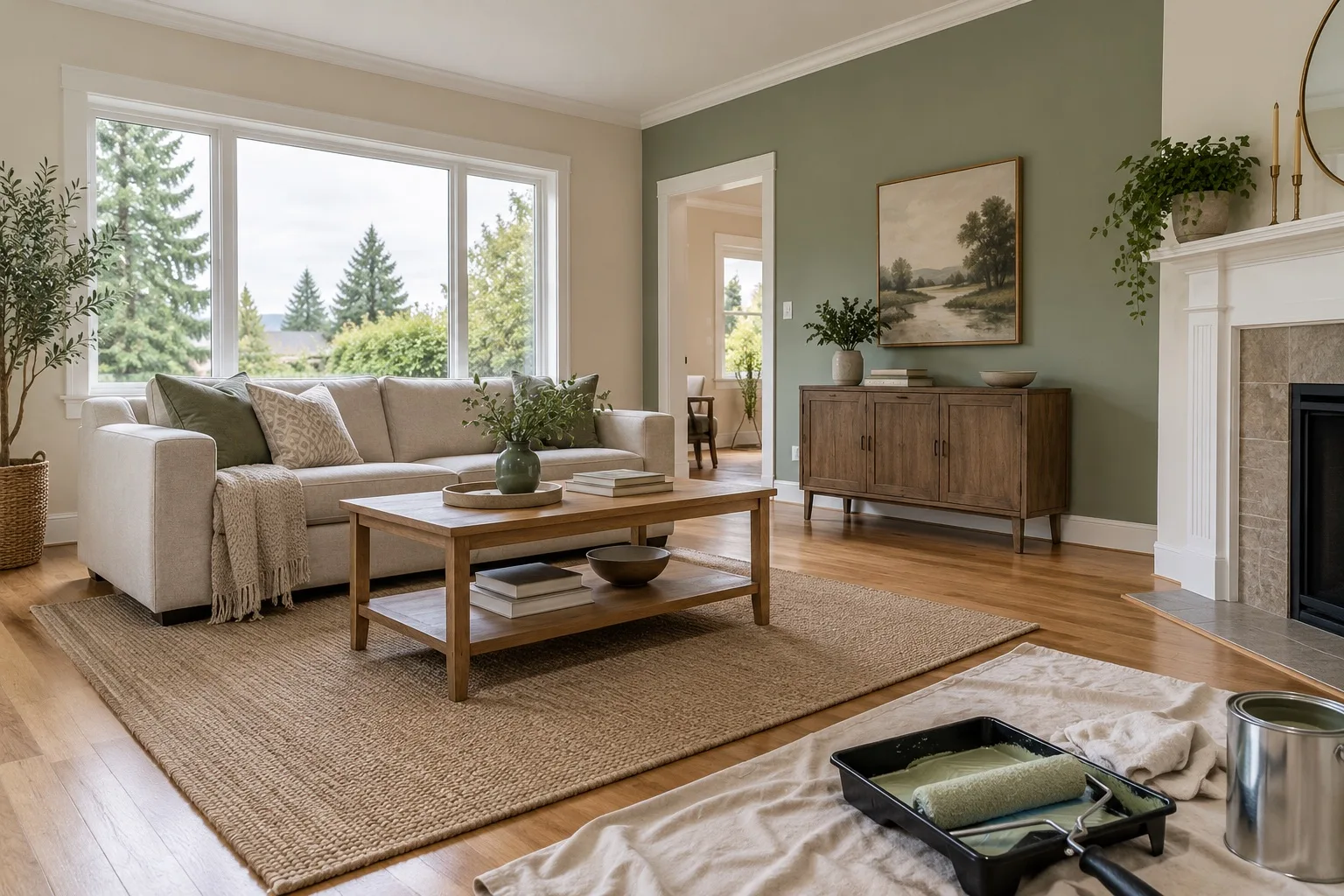
Compare sample colors beside the roof, stone, window frames, and other elements you are keeping. View them in the light the house actually receives. If you are choosing more than one color, record which surface receives each finish so the proposal and selections tell the same story.
Before work begins, confirm the product, color, sheen, included surfaces, and how unexpected repairs will be discussed. Keep those selections with your home records. Clear choices make future touch-ups and maintenance conversations easier.
Frequently asked questions
How soon after rain can a house be painted?
There is no universal waiting period. The surface must be suitable and dry, and the forecast must meet the chosen coating’s application and drying requirements.
Can exterior painting happen in cooler weather?
Some products permit lower application temperatures than others, but overnight conditions and moisture still matter. Follow the exact product instructions and assess the site.
What should I mention about an older home?
Tell the contractor the approximate construction year and anything known about the coatings. For pre-1978 homes, confirm the appropriate lead-safe assessment, qualifications, and work practices before disturbing paint.
YOUR NEXT STEP
A fresh finish begins with the right preparation.
Tell us which exterior surfaces you want to update, the age of your home, and your preferred timing. We’ll discuss the next steps.
Discuss my painting projectOr call (360) 606-4444Sources & further reading
References checked October 9, 2026. Product guidance applies to the named product or system; local requirements should be confirmed for your address and project.